
My garden consists of raised beds that are easy to maintain and don’t take up large amounts of space, but still provide a good amount of food. For the past 20+ years I’ve been learning about nutrition and natural wellness with exercise, food and vitamins/minerals. Having a garden is a great way to grow foods that will help provide fresh ingredients with nutrients for the body to use to heal and stay healthy.
Garlic is so easy to grow and is thought of as nature’s antibiotic. Around Columbus Day or the following weekend, I plant my garlic. You take a head of garlic, pull off the cloves and stick them in the soil with the root side down. Cover and wait. In June garlic scapes will emerge from the middle of the plant. Cut them off while young and tender. That will focus growth on the garlic bulb instead of the scape, which if left will flower and result in smaller garlic bulbs. The scapes can be cut up and cooked just like you would use garlic cloves. The scapes are milder than garlic cloves. In July, when the lower leaves of the garlic plant turn yellow, it’s time to dig up the garlic. Use a trowel and gently pull the garlic out of the soil. Clean off and let dry. When you go to use your homegrown garlic, you’ll be amazed at the oil that pours out of it when you cut it. To get the most health benefits from garlic, crush or mince it and let it sit 10 – 15 minutes before using. That lets the beneficial compound allicin to form and become stable during heating.
Years ago, I planted kale in one of my raised beds. Since then the kale just keeps reseeding itself and comes back every year. Kale is very tolerant of colder weather. One year I picked it in December after a light snow. The downside is kale is from the cabbage family and attracts cabbage worms, so wash it good before eating raw. Boiling kale will kill the worms. Kale contains Vitamin K, Vitamin C ,Carotenoids and fiber. It also contains oxalates which may contribute to kidney stones, so avoid overconsumption. A few years ago, I planted Dino kale which has the lowest amount of oxalates.
Tomatoes can be planted anywhere that gets full sun. They grow well in my raised beds and containers. Tomatoes are full of lycopene which can help lower LDL cholesterol and blood pressure. Some foods resemble the organ they help heal. When cut open, tomatoes resemble the heart. I like cherry and grape tomatoes for salads and stir fries and full size tomatoes for burgers or sandwiches.
Kitchen herbs like parsley, basil, oregano, thyme and sage are easy to grow. Herbs contain antioxidants, vitamins, minerals. Some are antibacterial, antiviral and antifungal. I view herbs as nature’s medicine. In addition to health benefits, herbs are a great way to add flavor to meals. When I make a tossed salad, I like to sprinkle basil, oregano, parsley and black pepper all over the salad and then drizzle olive oil and vinegar over it. Herbs make a great replacement for salt when cooking.
Arugula is a another easy growing favorite of mine. It contains nutrients like Vitamin K, Vitamin C, Folate. It grows quickly and is very hardy. Like kale, it will reseed itself if left to go to seed. Arugula is part of the Brassicaceae like kale and broccoli and does attract cabbage worms, so check carefully before eating raw. Arugula doesn’t have the oxalates that kale and spinach do, so I like to make arugula the base of most tossed salads.
I always grow zucchini in my garden. It’s easy and produces a lot of zucchinis. Zucchini is a great versatile, low glycemic vegetable full of Fiber, Vitamin C and Potassium. I like to use it in place of pasta when I have meatballs. I also just fry it up with olive oil and pepper, puree it and use it in baking or just toss it into a pot of soup. Normally, I plant the seeds and it just grows. For some reason this year the seeds I planted didn’t grow, so I ordered new seeds and was able to grow zucchini towards the end of the summer.
The last easy staple that I grow is green beans. I grew them for years with great results. A few years ago, I stopped growing them because the woodchuck would eat the plants. It was so annoying. Last year I set up fencing in each raised bed and finally planted green beans again this year. With fresh seeds, they grew great and turned into nice plants. I like growing bush beans. Pole beans grow long and require trellising, so they stay off the ground. Green beans are a staple in our diet.
Grow foods you will actually eat, so you can shop your garden instead of the grocery store. Start small and expand a little each year.
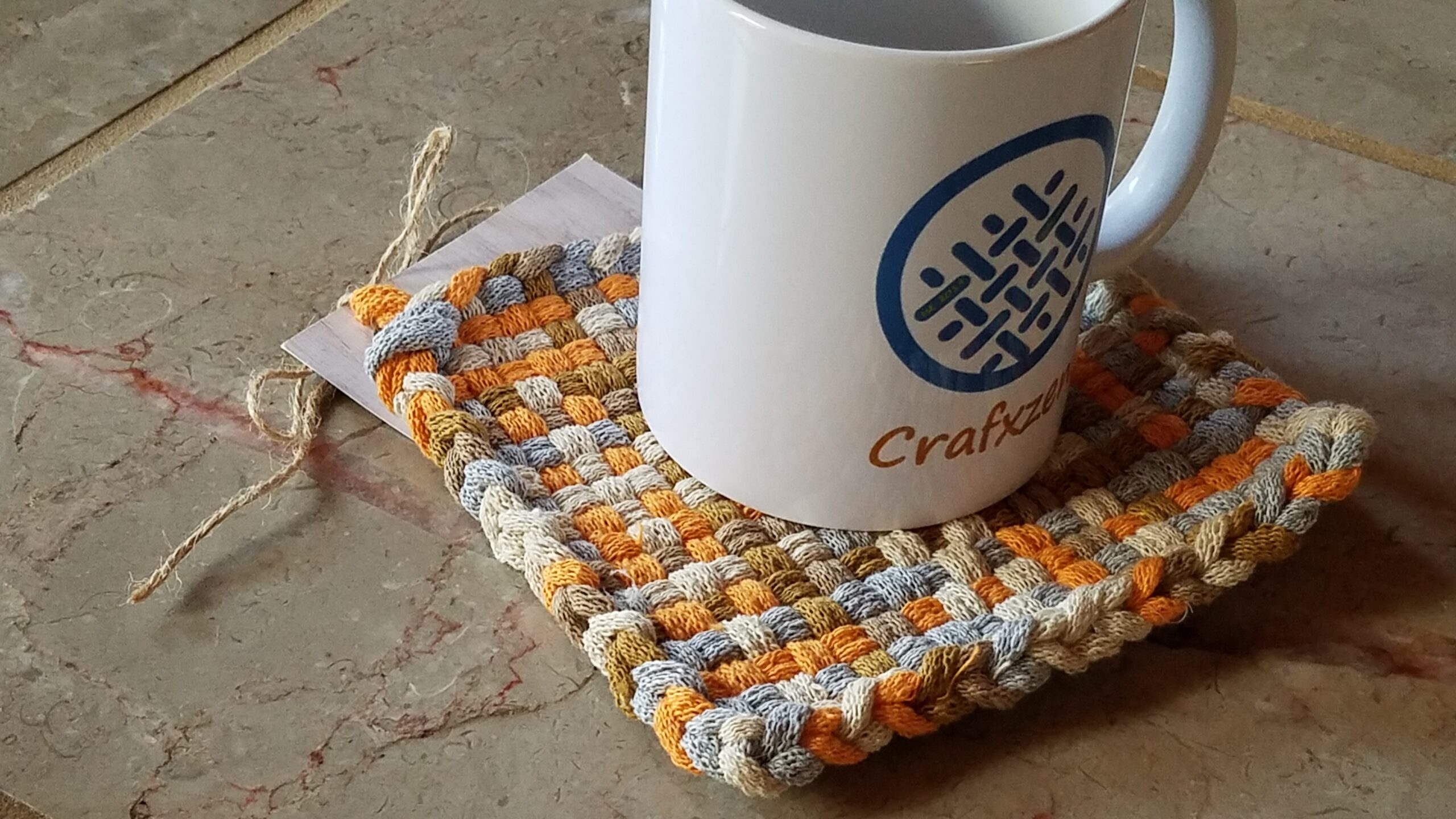
Bring a handmade touch to your garden-to-table kitchen.
Explore the Potholder Collection